Caring for Your Mini Dental Implants: Tips for Long-Lasting Results
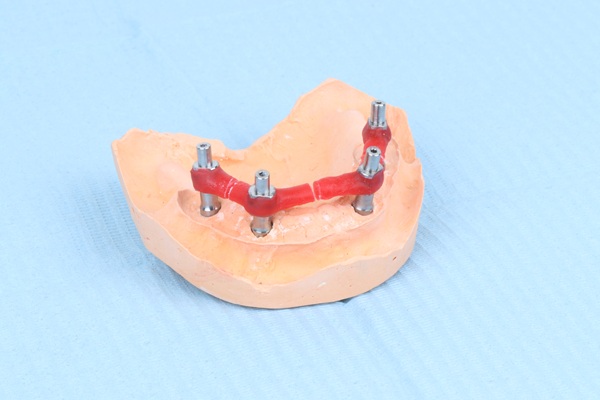
Mini Dental Implants are a great choice for replacing multiple missing teeth. These implants are essentially a mini version of regular-sized dental implants and produce the same results. Although dental implants are highly durable and can improve your smile and self-esteem, they still need proper maintenance.
Caring for mini dental implants
The following are simple guidelines to keep the smile healthy and looking its best.
Practice oral hygiene
Patients need to practice optimal oral care at home after getting mini dental implants. It is advisable to choose a brush with gentle bristles to avoid irritating the implant or the surrounding tissue. Brushing should occur at least twice daily, ensuring to clean the implant region of any food particles or plaque. A good antibacterial mouthwash can supplement the cleaning routine. Flossing is also important to eliminate food debris and bacteria from between the teeth.
Go for regular dental checkups
The long-term success of mini dental implants depends on regular dental checkups. These checkups allow the dentist to check on the implants and quickly diagnose and treat any issues that may develop. During routine dental exams, the general dentist will look for signs of infection, inflammation, or conditions that might compromise the implants' stability. If necessary, they might request X-rays to verify the condition of the bone structure holding the implants in place.
Stop smoking
When it comes to dental implants, routine dental care is not enough. Maintenance also includes avoiding habits and activities that can reduce the longevity of the implants. Smoking can make a patient ineligible for dental implants. Nicotine limits blood flow, which slows healing and increases the likelihood of implant malfunction. Smoking also increases the risk of gum disease, which may compromise the durability of dental implants.
Reduce alcohol consumption
Drinking alcohol excessively is associated with an increased risk of oral health issues like dry mouth and gum disease. Saliva is essential for maintaining good oral health and dry mouth limits its production. Cutting down on alcohol and drinking enough water may help avoid these issues.
Avoid hard objects
Hard candies, pens, and other hard objects may exert a lot of pressure on the teeth and could harm dental implants if patients chew on them too often. The tooth restoration could loosen or even break. If the implant breaks, patients will have to undergo a restoration process, which would cost time and money.
Eat a balanced diet
For the teeth, gums, and dental implants to be healthy, patients need to eat a varied diet with enough vitamins and minerals. Proper jawbone density is essential for the stability of dental implants, and these meals will help in maintaining that density. Additionally, they facilitate healing after implant surgery and ensure the development of healthy gum tissue.
It is also important to cut down on sugary drinks, acidic fruits, and soda. Dental implants and their connected crowns are vulnerable to damage from foods that are very sticky or hard.
In conclusion
Mini dental implants may last a lifetime if you take good care of them every day. If you need additional information, schedule an appointment with our dental office today.
Request an appointment here: https://www.hansenfamilydental.com/ or call Hansen Family Dental at (509) 302-2880 for an appointment in our Pasco office.
Check out what others are saying about our dental services on Yelp: Mini Dental Implants in Pasco, WA.
Related Posts
A mini dental implant is about half the size of a traditional dental implant. This is good news for those whose mouths are not able to accommodate the size of traditional dental implants. Thanks to this technology, dental implants can be an effective tooth replacement option for these patients. Bone loss is often an unfortunate fact…
Dental veneers can transform a smile by covering stains, small chips, uneven edges, or minor gaps. These thin porcelain shells are designed to blend with natural teeth, creating a smoother, more balanced look. Although they are strong, they still need the right daily care to stay polished and attractive. Our dentist seeks to help patients…
If a cold drink or a hot meal consistently triggers tooth sensitivity, you may wonder whether the sharp flash of pain warrants a professional dental visit. A main goal of general dentistry is to catch minor issues before they become major issues. Here are some tips on when you should seek professional dental care for…
A dental crown is meant to protect a weak or damaged tooth, so it can feel frustrating if it starts to hurt. Minor sensitivity can be expected as the tooth adjusts to a new crown. However, pain that lasts, gets worse, or starts months later may mean something needs attention.Here are three of the most…